When I first started exploring cannabis concentrates seriously, I remember standing in a dimly lit shop in British Columbia, staring at a display case full of jars that read like a chemist's notebook. There was hash from Afghanistan, live resin from Oregon, and a mysterious jar labeled "shatter" that looked like amber glass. The clerk saw my hesitation and said something I still think about: "In Cannabis Canada, you don't buy by the name, you buy by the process." That moment made me realize how much the Canadian cannabis market had matured beyond simple dried flower.
Today, the landscape is different. Legalization under the Cannabis Act brought regulation, testing, and a flood of new products. But it also brought confusion. Consumers now face choices that didn't exist a decade ago: solventless extraction versus chemical methods, nug run versus trim run, and the difference between something you dab at 500 degrees versus something you crumble into a joint. For anyone trying to navigate this, understanding the basics of concentrates is the first real step.
What Are Cannabis Concentrates, Really?
At its simplest, a concentrate is the result of stripping away plant material, leaves, stems, and cellulose, to leave behind the resin glands, or trichomes. Those glands hold most of the cannabinoids (THC and CBD) and flavor compounds called terpenes. The goal is potency without the bulk. A good live resin might test at 70-80% THC, where flower rarely tops 25%. That shift changes everything about how you dose, how you feel, and how much you spend.
But not all concentrates are made equal. The method of extraction changes the final product in ways that matter for both flavor and effect. Solventless extraction, for example, uses only ice water and pressure to separate trichomes. The result is hash or bubble hash, clean, old-school, and gentle on the palate. On the other hand, chemical solvents like butane or CO2 can strip more cannabinoids but may leave trace residues if not purged properly. In the regulated Canadian market, Health Canada sets limits on residual solvents, but the consumer still has to read labels and ask questions.
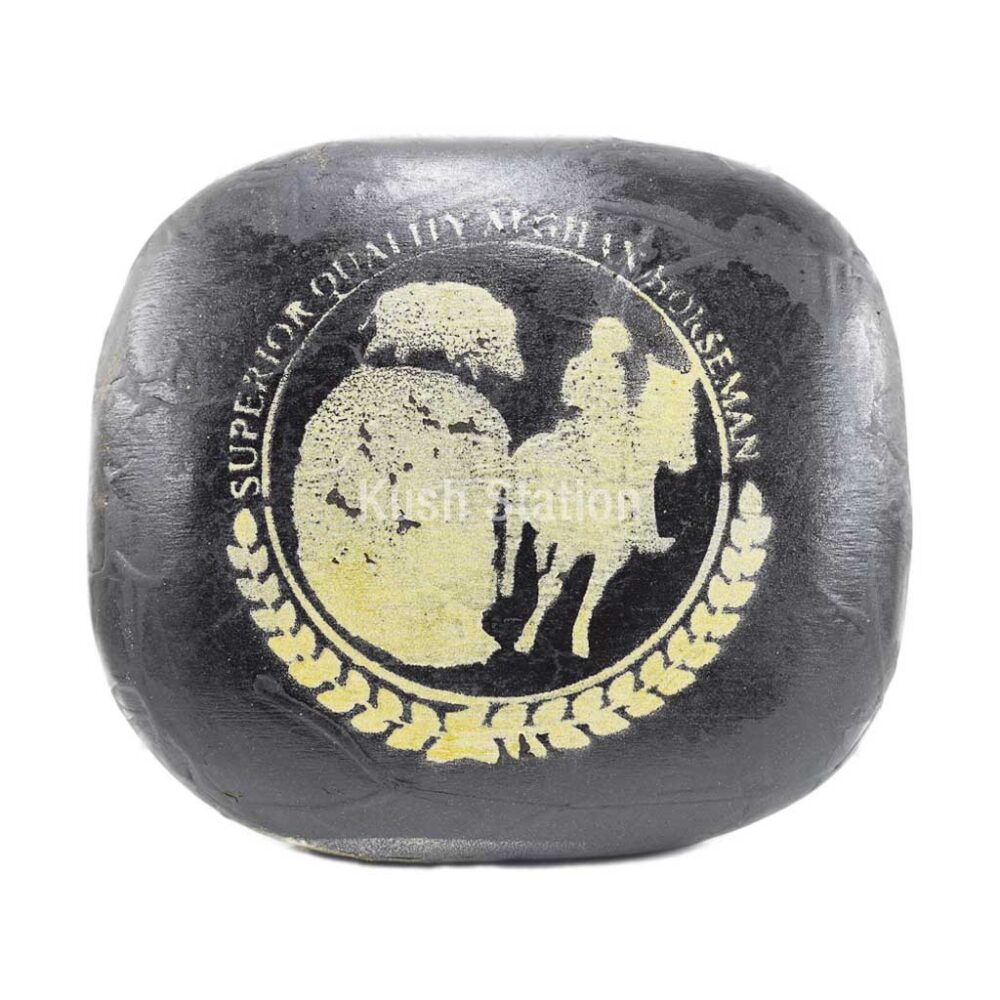
Hash: The Old Standard
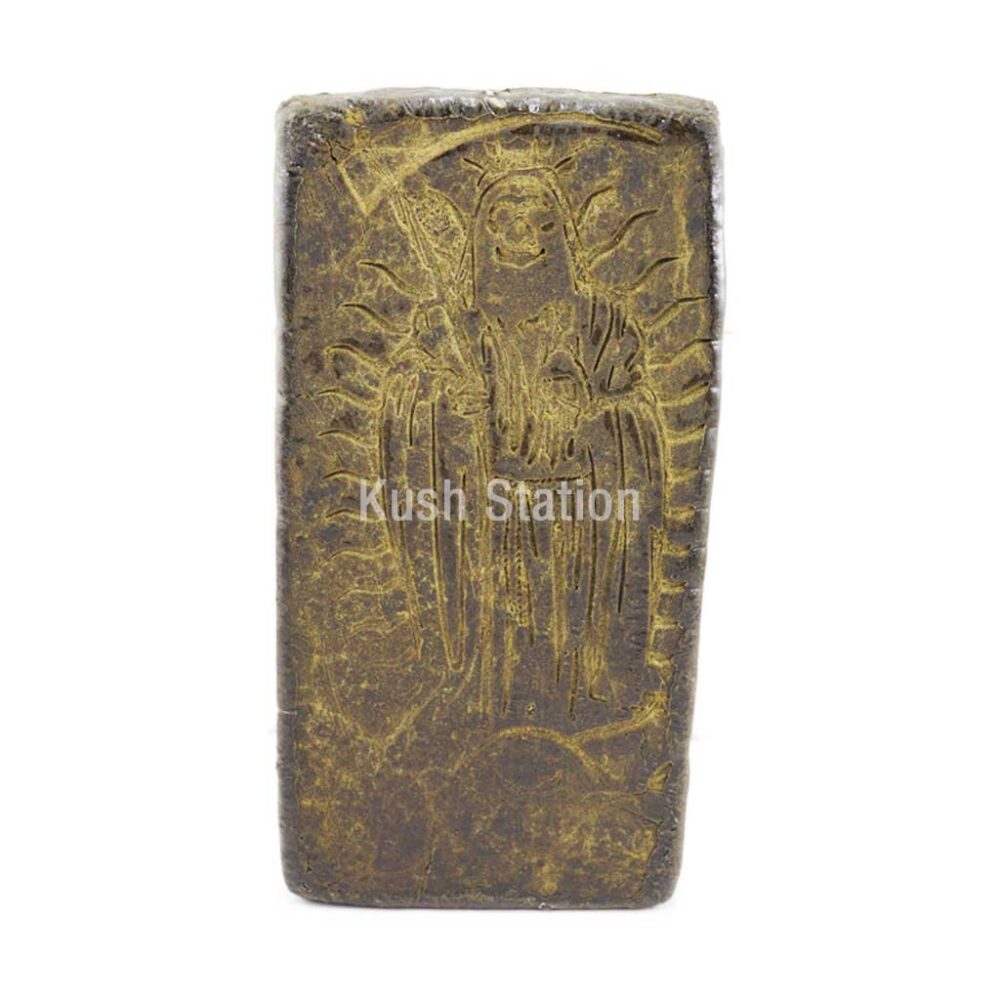
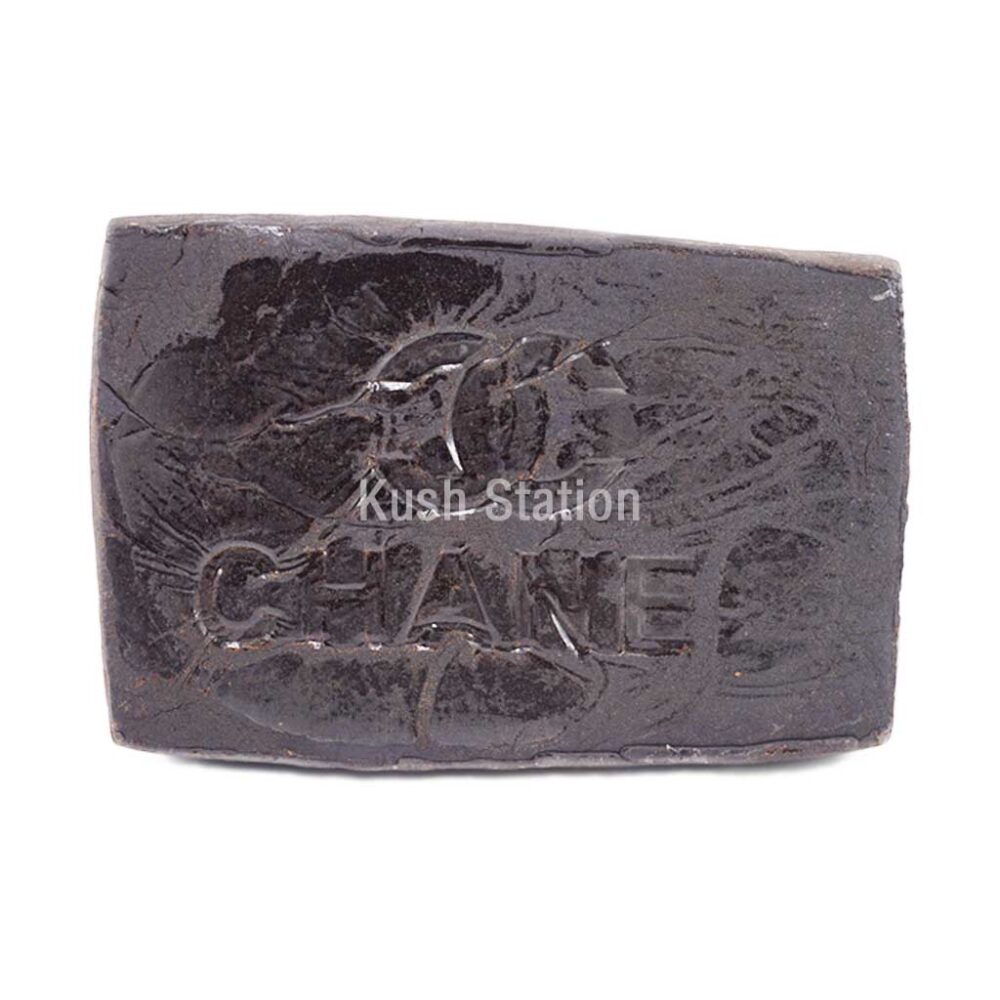
Hash has been around for centuries. In Canada, it was the concentrate of choice long before the legal market existed. But not all hash is the same. Nug run hash, made from whole flower buds rather than trim, tends to be more flavorful and potent. I remember buying a gram of hand-pressed Afghani hash from a friend in Vancouver, dark, sticky, and so fragrant it smelled like a spice market. When the Cannabis Act came into effect, that kind of product started appearing on shelves with proper lab testing. Now you can buy hash from an online cannabis store like Kush Station and know exactly what you are getting: the terpene profile, the THC percentage, and whether it was made using solventless extraction or something else.
Live Resin and the Freeze-Dried Revolution
Live resin is a newer category that has exploded in popularity. The process involves freezing fresh, undried cannabis plants and then using a solvent (usually butane or propane) to extract the resin at subzero temperatures. The cold keeps volatile terpenes from evaporating, which means the flavor is brighter and more true to the original plant. That is why live resin often smells like the flower it came from, rather than like a generic "weed" smell. For dabbing enthusiasts, live resin offers a cleaner experience with less throat burn. The trade-off is that live resin is generally more expensive because it requires more fresh plant material per gram of output.
Shatter and Budder: Texture Matters
Shatter gets its name from its glass-like consistency at room temperature. It is usually made from a highly refined extraction process that removes most fats and waxes. When it breaks, it fractures like glass. Shatter is popular among people who want a stable, long-lasting product that does not stick to everything. But it can be harder to work with if you are new, you have to warm it up to get a dab-ready piece. Budder, on the other hand, is whipped during processing to create a creamy, butter-like texture. It is easier to handle and often has a stronger flavor because the whipping process aerates the material, preserving more terpenes. Both have their place, but budder tends to appeal more to flavor chasers, while shatter is a workhorse for those focused on potency and price.
Navigating Potency and Price in the Canadian Market
One of the biggest lessons I have learned is that higher potency does not always mean a better experience. A budder that tests at 85% THC might feel harsh and one-dimensional compared to a live resin at 65% with a rich terpene profile. The entourage effect, the synergy between cannabinoids and terpenes, matters more than a single number on a label. That is why many seasoned buyers look at the terpene percentage as closely as the THC. In the Canadian cannabis market, most reputable online stores list both. Kush Station, for example, sorts products by type, potency, and price, which makes it easier to compare without guessing.
Price is another variable that can trip people up. A gram of budget hash might cost $20, while a premium live resin can run $60 or more. The difference often comes down to the starting material: nug run versus trim run, fresh versus dried, and whether the extraction was solventless or not. A good rule of thumb is that if the price seems too good to be true, the quality probably matches. But that does not mean you have to spend top dollar every time. For daily use, a mid-range shatter or budder from a trusted brand can deliver consistent results without breaking the bank.
Dabbing: The Ritual and the Risk
If you are new to concentrates, dabbing is the most common way to consume them. You heat a nail (usually quartz, titanium, or ceramic) to a specific temperature, place a small amount of concentrate on it, and inhale the vapor through a rig. The temperature matters more than most people realize. Too hot, and you burn off the terpenes, leaving a harsh, ashy taste and wasting cannabinoids. Too cool, and the concentrate just melts without producing vapor. I have ruined more than a few grams of live resin by heating the nail cherry red and then dropping the dab in before it cooled enough. Now I use an infrared thermometer to dial in around 480-520 degrees Fahrenheit. It makes a bigger difference than any brand choice.
That said, dabbing is not for everyone. The equipment can be expensive and the learning curve is real. Some people prefer to sprinkle a bit of hash into a joint or on top of a bowl. Others use portable vaporizers designed for concentrates. The key is to match the method to the product. A sticky budder works well in a dab rig but can be messy in a vaporizer. A hard shatter can be tricky to break apart without a tool. Understanding these nuances is part of what makes the Canadian cannabis market so interesting, there is no single right way.
The Role of Online Cannabis Stores
Online cannabis stores like Kush Station have changed how people shop for concentrates. Instead of driving to a physical store and hoping they have what you want, you can browse by type, potency, or price from home. The downside is that you cannot smell or touch the product before buying. That is where detailed descriptions and lab reports become critical. A good online store provides not just a name and a price, but the extraction method, the terpene breakdown, and the testing data. In a market as diverse as Cannabis Canada, that transparency separates the trusted retailers from the rest.
I have bought concentrates from half a dozen online stores over the past few years, and the difference in packaging, labeling, and customer service is stark. The best ones treat each product like a craft item, with batch numbers and harvest dates. The worst ones ship things in unlabeled bags with no information beyond a sticker that says "high THC." The latter might be cheaper, but it is a gamble. When you are spending $50 or more on a gram of live resin, you want to know what you are getting.
Looking Ahead
The Canadian cannabis market is still young, but it is maturing fast. As more producers adopt solventless extraction and focus on terpene preservation, the quality of concentrates will keep rising. The challenge for consumers is staying informed. Reading labels, asking questions, and experimenting with different types, hash, live resin, shatter, budder, is the only way to figure out what suits your preferences. And if you are shopping online, look for stores that explain not just the price but the process. That is where the real value lives.